






TRANSFORME A SUA PRÁTICA CLÍNICA

com soluções inovadoras e cientificamente comprovadas!

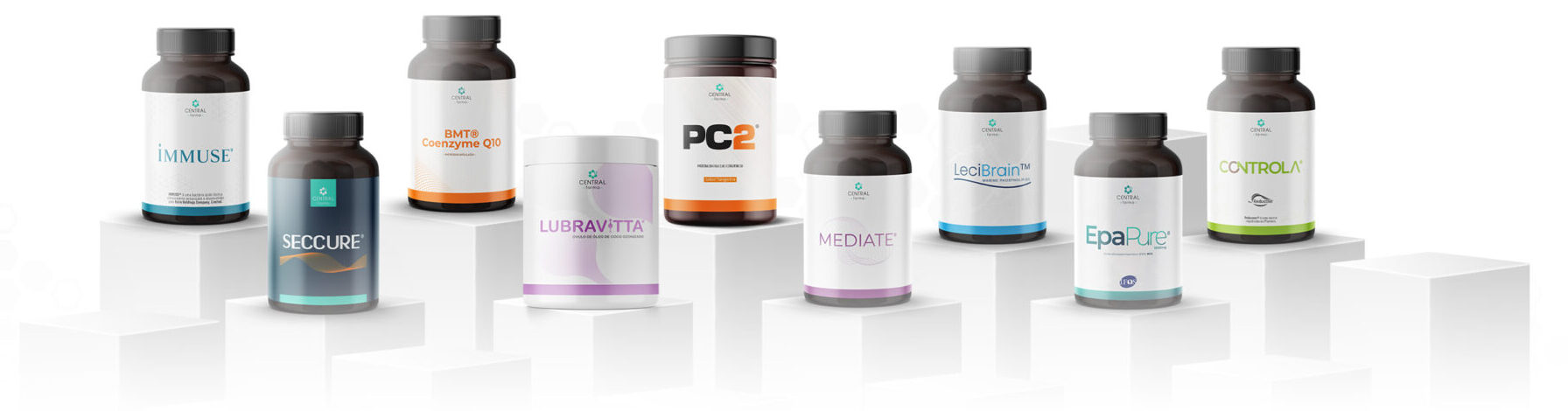
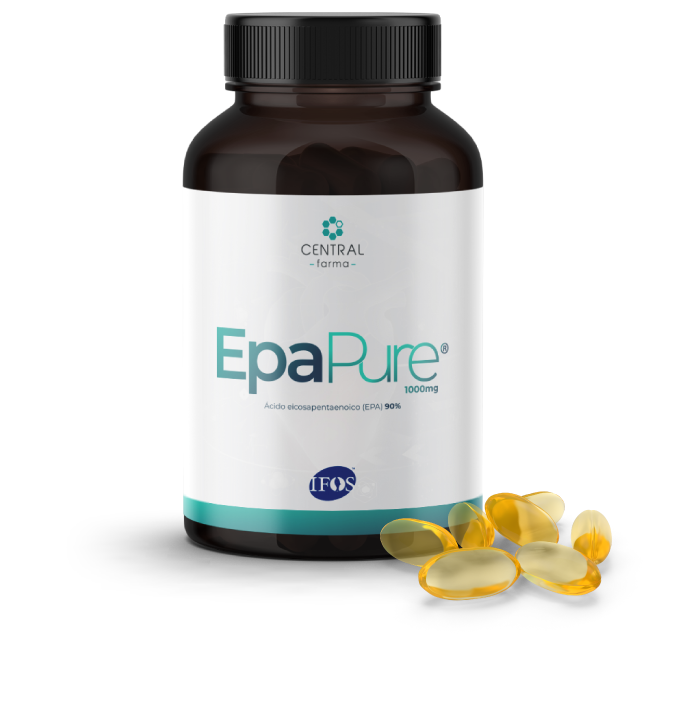
EPAPURE 1000MG® CONTÉM EPA PURO EM ALTA CONCENTRAÇÃO

Com 90% de EPA e selo IFOS, é indicado para dislipidemias, hipertrigliceridemia e inflamações arteriais.

Indispensável no cuidado cardiovascular de alta precisão.

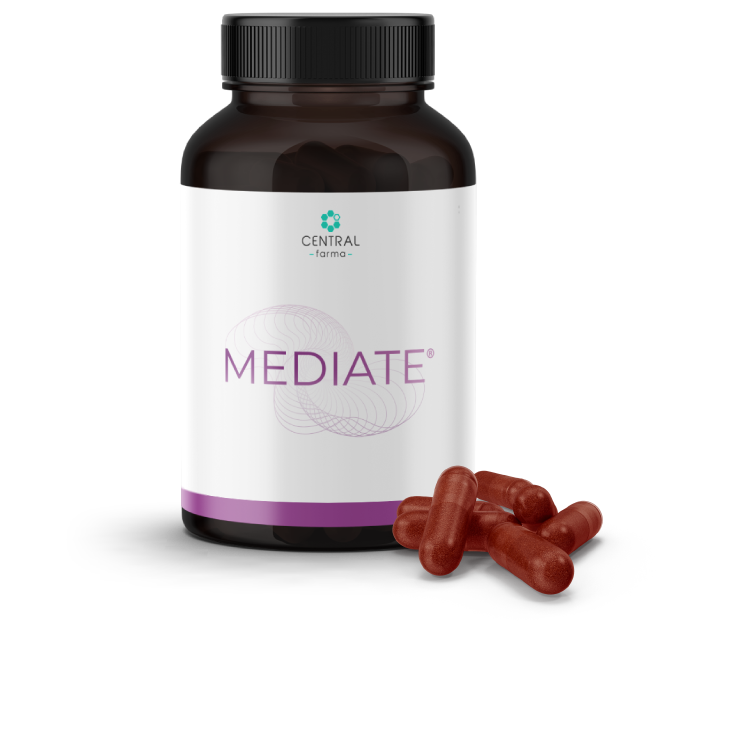
MEDIATE® REDUZ O CORTISOL E EQUILIBRA O HUMOR

Sua ação adaptogênica atua no eixo HPA e nos neurotransmissores, auxiliando no controle do estresse e da ansiedade sem causar sedação, além de oferecer suporte cognitivo

Um recurso seguro e bem aceito para equilíbrio emocional.

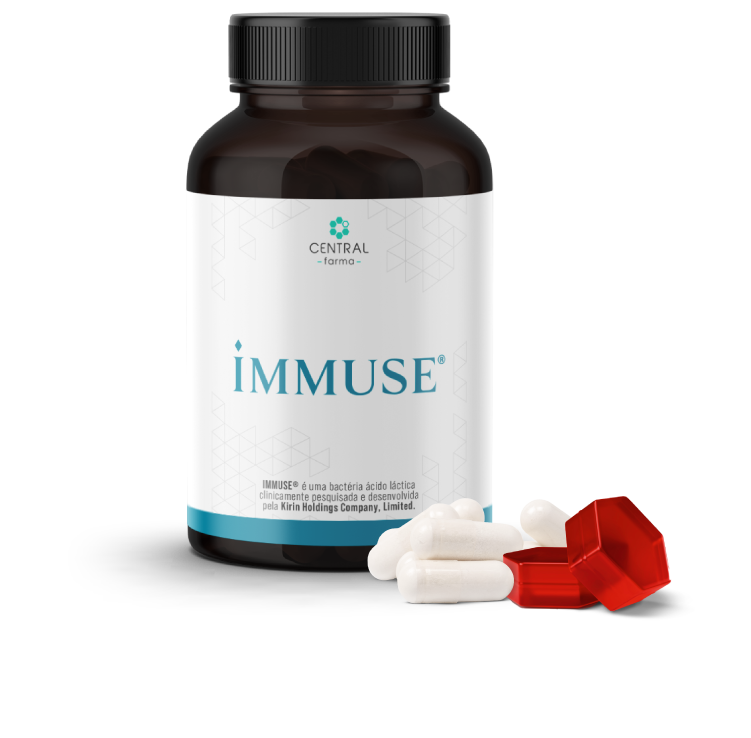
IMMUSE® FORTALECE A IMUNIDADE COM TECNOLOGIA PÓS-BIÓTICA

Ativa células pDC e aumenta IFN-α para proteção inata e duradoura. Indicado para infecções recorrentes e imunocomprometidos.

Estratégia preventiva em pacientes vulneráveis ou em recuperação.

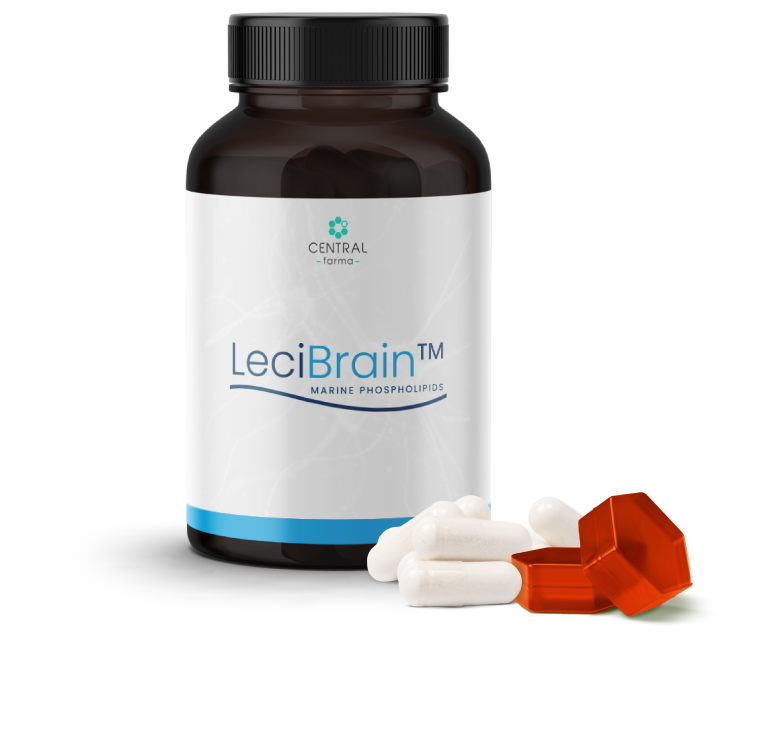
LECIBRAIN™: SUPORTE CEREBRAL PARA FOCO E MEMÓRIA

Com DHA esterificado e fosfolipídios essenciais, LeciBrain™ oferece suporte à neuroplasticidade, foco, comportamento e memória. Indicado para quem busca desempenho mental e proteção cognitiva — desde crianças até adultos sob alta demanda mental.

Ciência aplicada à performance mental em todas as fases da vida.

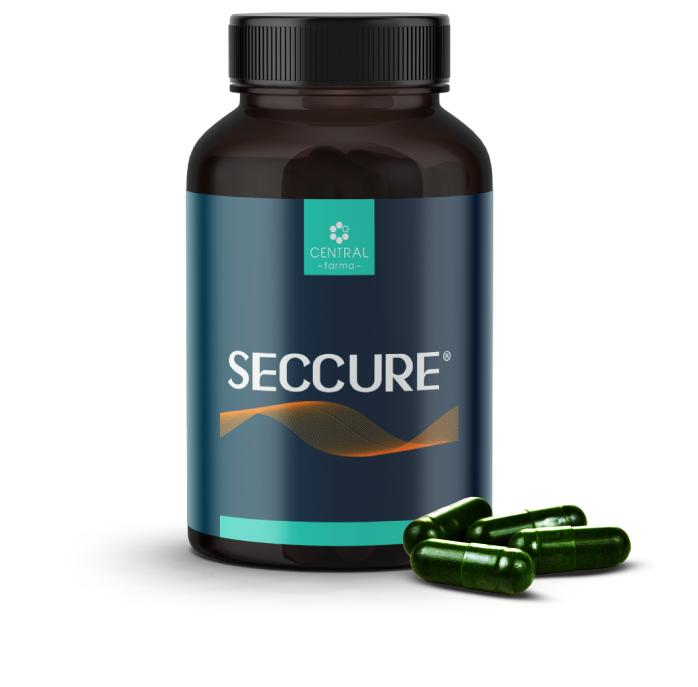
SECCURE® ATUA NA DOR CRÔNICA E INFLAMAÇÃO SISTÊMICA

Com ativos como ß-cariofileno e quercetina, modula o sistema endocanabinoide (SEC) sem efeitos psicoativos. Indicado para fibromialgia, enxaqueca e dores refratárias.

Suporte clínico para pacientes com dores crônicas e de difícil manejo.

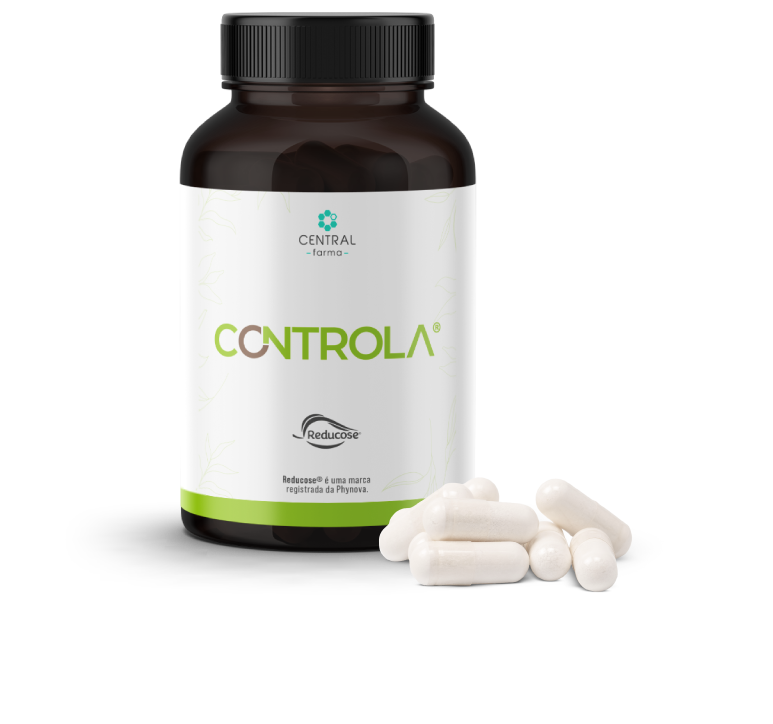
CONTROLA® BLOQUEIA A ABSORÇÃO DE CARBOIDRATOS NA DIGESTÃO

Uma estratégia poderosa para quem busca emagrecimento saudável. Com DNJ padronizado, regula o pico glicêmico e a liberação de insulina, auxiliando na resistência insulínica, no controle metabólico diário e na gestão do peso.

Opção segura e eficaz para controle metabólico sem desconfortos.

BMT® COENZIMA Q10 OFERECE ABSORÇÃO POTENCIALIZADA

A versão microencapsulada aumenta a biodisponibilidade em até 250%. Indicado para pacientes com fadiga, estresse oxidativo elevado e necessidade de suporte mitocondrial.

Um reforço confiável na vitalidade física e cognitiva.

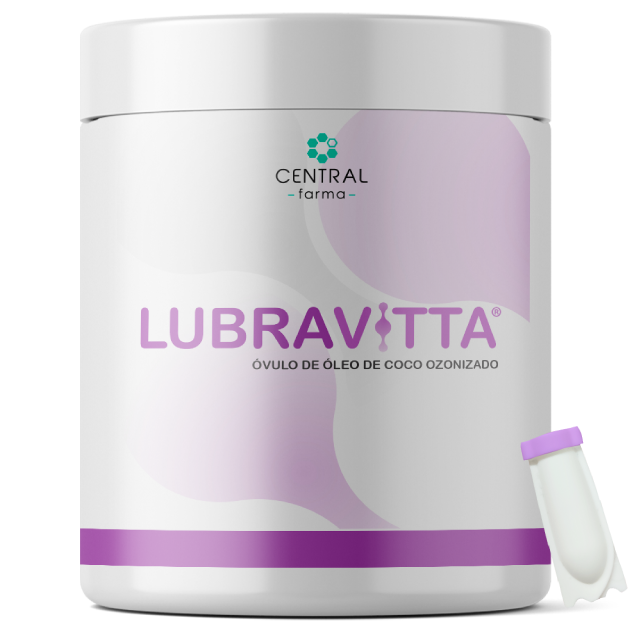
LUBRAVITTA®: ÓVULO DE ÓLEO OZONIZADO PARA CUIDADO ÍNTIMO 

Formulado com óleo de coco ozonizado a 5%, oferece ação antimicrobiana, regeneradora e hidratante. Promove equilíbrio do pH e da microbiota, hidratação profunda e alívio do desconforto. Indicado para candidíase recorrente, vaginose bacteriana, secura vaginal e inflamações da mucosa.

Hidrata, regenera e protege a região íntima com ação antimicrobiana.

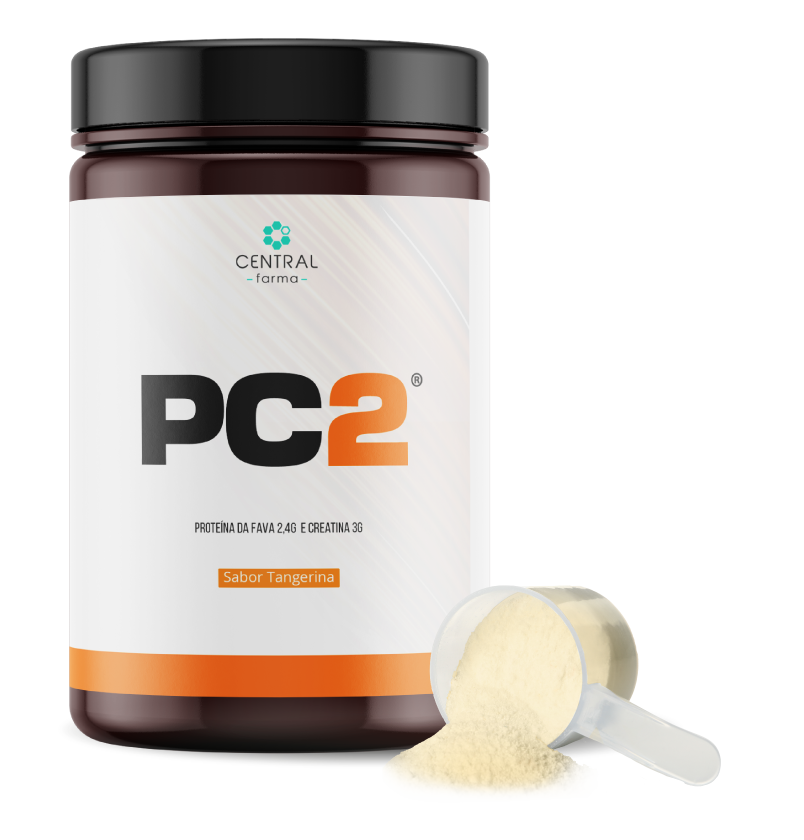
PC2® UNE PEPTISTRONG™ + CREATINA PARA SÍNTESE MUSCULAR SUPERIOR

Indicado para performance esportiva, hipertrofia, prevenção da sarcopenia e apoio em períodos de imobilização. PC2® é até 4 vezes mais eficaz que a proteína do soro do leite na síntese proteica e aumenta a disponibilidade de ATP.

Eficácia comprovada para mais força, energia e recuperação muscular.

EpaPure 1000mg®

  1. Brinton, E.A., Mason, R.P. Prescription omega-3 fatty acid products containing highly purified eicosapentaenoic acid (EPA). Lipids Health Dis 16, 23 (2017). https://doi.org/10.1186/s12944-017-0415-8.
  2. CHADDHA, Ashish; EAGLE, Kim A. Omega-3 Fatty Acids and Heart Health. Circulation: Cardiology Patient Page, Dallas, v. 132, n. 22, p. e350-e352, 1 dez. 2015. doi: https://doi.org/10.1161/CIRCULATIONAHA.114.015176.
  3. Chen G, Qian ZM, Zhang J, Zhang S, Zhang Z, Vaughn MG, Aaron HE, Wang C, Lip GY, Lin H. Regular use of fish oil supplements and course of cardiovascular diseases: prospective cohort study. BMJ Med. 2024 May 21;3(1):e000451. doi: https://doi.org/10.1136/bmjmed-2022-000451. PMID: 38800667; PMCID: PMC11116879.
  4. COVINGTON, Maggie B. Omega-3 Fatty Acids. American Family Physician, Kansas City, v. 70, n. 1, p. 133-140, 2004. Editorial: p. 3. https://pubmed.ncbi.nlm.nih.gov/15259529/.
  5. Le VT, Knight S, Watrous JD, Najhawan M, Dao K, McCubrey RO, Bair TL, Horne BD, May HT, Muhlestein JB, Nelson JR, Carlquist JF, Knowlton KU, Jain M, Anderson JL. Higher docosahexaenoic acid levels lower the protective impact of eicosapentaenoic acid on long-term major cardiovascular events. Front Cardiovasc Med. 2023 Aug 23;10:1229130. doi: https://doi.org/10.3389/fcvm.2023.1229130. PMID: 37680562; PMCID: PMC10482040.
  6. NUTRASOURCE. How Certifications Work – IFOS. Disponível em: https://certifications.nutrasource.ca/about/how-certifications-work/ifos.
  7. PEIXOTO, Roberto Doenças do coração matam quase um terço dos brasileiros; estilo de vida é um dos fatores de risco. G1, 28 ago. 2023. Disponível em: https://g1.globo.com/saude/noticia/2023/08/28/doencas-do-coracao-matam-quase-um-terco-dos-brasileiros-estilo-de-vida-e-um-dos-fatores-de-risco.ghtml.
  8. Toth PP, Chapman MJ, Parhofer KG, Nelson JR. Differentiating EPA from EPA/DHA in cardiovascular risk reduction. Am Heart J Plus. 2022 May 28;17:100148. doi: https://doi.org/10.1016/j.ahjo.2022.100148. PMID: 38559888; PMCID: PMC10978325.
  9. Jornal da USP Doenças cardiovasculares são a principal causa de mortes no Brasil, segundo o Ministério da Saúde. Rádio USP – Jornal da USP. Publicado em 21 ago 2023. Disponível em: https://jornal.usp.br/radio-usp/doencas-cardiovasculares-sao-a-principal-causa-de-mortes-no-brasil-segundo-o-ministerio-da-saude/.
  10. Bhatt DL, Steg PG, Miller M, Brinton EA, Jacobson TA, Ketchum SB, Doyle RT Jr, Juliano RA, Jiao L, Granowitz C, Tardif JC, Ballantyne CM; REDUCE-IT Investigators. Cardiovascular Risk Reduction with Icosapent Ethyl for Hypertriglyceridemia. N Engl J Med. 2019 Jan 3;380(1):11-22. doi: https://doi.org/10.1056/nejmoa1812792. Epub 2018 Nov 10. PMID: 30415628.
  11. Ridker PM, Rifai N, MacFadyen J, Glynn RJ, Jiao L, Steg PG, Miller M, Brinton EA, Jacobson TA, Tardif JC, Ballantyne CM, Mason RP, Bhatt DL. Effects of Randomized Treatment With Icosapent Ethyl and a Mineral Oil Comparator on Interleukin-1β, Interleukin-6, C-Reactive Protein, Oxidized Low-Density Lipoprotein Cholesterol, Homocysteine, Lipoprotein(a), and Lipoprotein-Associated Phospholipase A2: A REDUCE-IT Biomarker Substudy. Circulation. 2022 Aug 2;146(5):372-379. doi: https://doi.org/10.1161/circulationaha.122.059410. Epub 2022 Jun 28. PMID: 35762321.
  12. Bhatt, D. L., Steg, P. G., Miller, M., Brinton, E. A., Jacobson, T. A., Ketchum, S. B., Doyle, R. T., Juliano, R. A., Jiao, L., Granowitz, C., Tardif, J.-C., Gregson, J., Pocock, S. J., Ballantyne, C. M., & REDUCE‑IT Investigators. (2019). Effects of icosapent ethyl on total ischemic events: From REDUCE‑IT. Journal of the American College of Cardiology, 73(22), 2791–2802. https://doi.org/10.1016/j.jacc.2019.02.032.
  13. Bhatt, D. L., Steg, P. G., Brinton, E. A., Jacobson, T. A., Miller, M., Tardif, J.-C., Ketchum, S. B., Doyle Jr, R. T., Murphy, S. A., Soni, P. N., Braeckman, R. A., Juliano, R. A., Ballantyne, C. M., & REDUCE-IT Investigators. (2017). Rationale and design of REDUCE-IT: Reduction of Cardiovascular Events with Icosapent Ethyl–Intervention Trial. Clinical Cardiology, 40(3), 138–148. https://doi.org/10.1002/clc.22692.
  14. Peterson, B. E., Bhatt, D. L., Steg, P. G., Miller, M., Brinton, E. A., Jacobson, T. A., Ketchum, S. B., Juliano, R. A., Jiao, L., Doyle Jr, R. T., Granowitz, C., Gibson, C. M., Pinto, D., Giugliano, R. P., Budoff, M. J., Tardif, J.-C., Verma, S., Ballantyne, C. M., & REDUCE‑IT Investigators. (2022). Treatment with icosapent ethyl to reduce ischemic events in patients with prior percutaneous coronary intervention: Insights from REDUCE‑IT PCI. Journal of the American Heart Association, 11(6), e022937. https://doi.org/10.1161/JAHA.121.022937.
  15. Peterson BE, Bhatt DL, Steg PG, Miller M, Brinton EA, Jacobson TA, Ketchum SB, Juliano RA, Jiao L, Doyle RT Jr, Granowitz C, Gibson CM, Pinto D, Giugliano RP, Budoff MJ, Tardif JC, Verma S, Ballantyne CM; REDUCE-IT Investigators. Reduction in Revascularization With Icosapent Ethyl: Insights From REDUCE-IT Revascularization Analyses. Circulation. 2021 Jan 5;143(1):33-44. doi: https://doi.org/10.1161/circulationaha.120.050276. Epub 2020 Nov 5. PMID: 33148016; PMCID: PMC7752247.
  16. Olshansky B, Bhatt DL, Miller M, Steg PG, Brinton EA, Jacobson TA, Ketchum SB, Doyle RT Jr, Juliano RA, Jiao L, Kowey PR, Reiffel JA, Tardif JC, Ballantyne CM, Chung MK; REDUCE‐IT Investigators. Cardiovascular Benefits of Icosapent Ethyl in Patients With and Without Atrial Fibrillation in REDUCE-IT. J Am Heart Assoc. 2023 Mar 7;12(5):e026756. doi: https://doi.org/10.1161/jaha.121.026756. Epub 2023 Feb 21. PMID: 36802845; PMCID: PMC10111466.
  17. Sayah N, Bhatt DL, Miller M, Brinton EA, Jacobson TA, Ketchum SB, Jiao L, Pineda AL, Doyle RT Jr, Tardif JC, Ballantyne CM, Steg PG. Icosapent ethyl following acute coronary syndrome: the REDUCE-IT trial. Eur Heart J. 2024 Apr 1;45(13):1173-1176. doi: https://doi.org/10.1093/eurheartj/ehad889. PMID: 38252107; PMCID: PMC10984562.
  18. Liao, Y., Xie, B., Zhang, H. et al. Efficacy of omega-3 PUFAs in depression: A meta-analysis. Transl Psychiatry 9, 190 (2019). https://doi.org/10.1038/s41398-019-0515-5.

Mediate®

  1. Avila, R.; Romano, L.; Rodrigues, S. (2024). Neurociência do Envelhecimento. Universidade Federal de Uberlândia. https://repositorio.ufu.br/bitstream/123456789/44007/1/NEUROCIE%CC%82NCIA%20DO%20ENVELHECIMENTO.pdf
  2. Minhas PS, Latif-Hernandez A, McReynolds MR, Durairaj AS, Wang Q, Rubin A, Joshi AU, He JQ, Gauba E, Liu L, Wang C, Linde M, Sugiura Y, Moon PK, Majeti R, Suematsu M, Mochly-Rosen D, Weissman IL, Longo FM, Rabinowitz JD, Andreasson KI. Restoring metabolism of myeloid cells reverses cognitive decline in ageing. Nature. 2021 Feb;590(7844):122-128. doi: https://doi.org/10.1038/s41586-020-03160-0. Epub 2021 Jan 20. PMID: 33473210; PMCID: PMC8274816.
  3. Iram T, Kern F, Kaur A, Myneni S, Morningstar AR, Shin H, Garcia MA, Yerra L, Palovics R, Yang AC, Hahn O, Lu N, Shuken SR, Haney MS, Lehallier B, Iyer M, Luo J, Zetterberg H, Keller A, Zuchero JB, Wyss-Coray T. Young CSF restores oligodendrogenesis and memory in aged mice via Fgf17. Nature. 2022 May;605(7910):509-515. doi: https://doi.org/10.1038/s41586-022-04722-0
  4. Benveniste H, Liu X, Koundal S, Sanggaard S, Lee H, Wardlaw J. The Glymphatic System and Waste Clearance with Brain Aging: A Review. Gerontology. 2019;65(2):106-119. doi: https://doi.org/10.1159/000490349. Epub 2018 Jul 11. PMID: 29996134; PMCID: PMC6329683.
  5. Garcia, L. F., & Parente, A. C. B. V. (2004). O eixo hipotálamo-pituitária-adrenal, a função dos receptores de glicocorticóides e sua importância na depressão. Revista Brasileira de Psiquiatria, 26(3), 189–201. https://doi.org/10.1590/S1516-44462004000300009.
  6. Stokes PE. The potential role of excessive cortisol induced by HPA hyperfunction in the pathogenesis of depression. Eur Neuropsychopharmacol. 1995;5 Suppl:77-82. doi: https://doi.org/10.1016/0924-977x(95)00039-r. PMID: 8775763.
  7. Sartori AC, Vance DE, Slater LZ, Crowe M. The impact of inflammation on cognitive function in older adults: implications for healthcare practice and research. J Neurosci Nurs. 2012 Aug;44(4):206-17. doi: https://doi.org/10.1097/JNN.0b013e3182527690. PMID: 22743812; PMCID: PMC3390758.
  8. MONTEIRO, Rute Alexandra Gomes. O Impacte do Envelhecimento na Resposta Inflamatória. 2021. Dissertação (Mestrado) – Faculdade de Medicina, Universidade de Coimbra, Coimbra, 2021. Disponível em: https://hdl.handle.net/10316/98582.
  9. Rebelo, F. L., dos Santos, C. V. M., da Silva, T. J. F., Araújo, D. S., da Silva, D. S., da Rocha Silva, I. L. R., Cruz, K. D. T., da Silva, C. D., & Andrade Filho, J. G. (2025). Implicações do envelhecimento humano para a inteligência: uma revisão integrativa. Brazilian Journal of Human Resources Review, 7(3). https://doi.org/10.34119/bjhrv7n3-457.
  10. McCully KS. Chemical Pathology of Homocysteine VIII. Effects of Tocotrienol, Geranylgeraniol, and Squalene on Thioretinaco Ozonide, Mitochondrial Permeability, and Oxidative Phosphorylation in Arteriosclerosis, Cancer, Neurodegeneration and Aging. Ann Clin Lab Sci. 2020 Sep;50(5):567-577. PMID: 33067202. https://www.annclinlabsci.org/content/50/5/567.long.
  11. Colpo AC, de Lima ME, Maya-López M, Rosa H, Márquez-Curiel C, Galván-Arzate S, Santamaría A, Folmer V. Compounds from Ilex paraguariensis extracts have antioxidant effects in the brains of rats subjected to chronic immobilization stress. Appl Physiol Nutr Metab. 2017 Nov;42(11):1172-1178. doi: https://doi.org/10.1139/apnm-2017-0267. Epub 2017 Jul 14. PMID: 28708964.
  12. Ferreira, E. O., Ba, I., Gonçalves, M. E., Araújo, S. T., Ricardo, L. L., Hahn, C. F. P., & Massarolo, K. C. (2022). Flavonas C-glicosil em Passiflora incarnata. Brazilian Journal of Development, 8(12), 19158–19176. https://doi.org/10.34117/bjdv8n12-202.
  13. Dias Dde O, Colombo M, Kelmann RG, De Souza TP, Bassani VL, Teixeira HF, Veiga VF Jr, Limberger RP, Koester LS. Optimization of headspace solid-phase microextraction for analysis of β-caryophyllene in a nanoemulsion dosage form prepared with copaiba (Copaifera multijuga Hayne) oil. Anal Chim Acta. 2012 Apr 6;721:79-84. doi: https://doi.org/10.1016/j.aca.2012.01.055. Epub 2012 Feb 5. PMID: 22405303.
  14. Elmassry M, Chung E, Hamood A, Shen CL. Supplementation of Geranylgeraniol and Tocotrienols to High-Fat Diet Shifts the Gut Microbiome Composition and Function in Type 2 Diabetic Mice. Curr Dev Nutr. 2020 May 29;4(Suppl 2):393. doi: https://doi.org/10.1093/cdn/nzaa045_026. PMCID: PMC7258157.
  15. Cittadini MC, Albrecht C, Miranda AR, Mazzuduli GM, Soria EA, Repossi G. Neuroprotective Effect of Ilex Paraguariensis Intake on Brain Myelin of Lung Adenocarcinoma-Bearing Male Balb/c Mice. Nutr Cancer. 2019;71(4):629-633. doi: https://doi.org/10.1080/01635581.2018.1559932. Epub 2019 Jan 19. PMID: 30661417.
  16. Ames-Sibin AP, Barizão CL, Castro-Ghizoni CV, Silva FMS, Sá-Nakanishi AB, Bracht L, Bersani-Amado CA, Marçal-Natali MR, Bracht A, Comar JF. β-Caryophyllene, the major constituent of copaiba oil, reduces systemic inflammation and oxidative stress in arthritic rats. J Cell Biochem. 2018 Dec;119(12):10262-10277. doi: https://doi.org/10.1002/jcb.27369. Epub 2018 Aug 21. PMID: 30132972.
  17. Xia W, Mo H. Potential of tocotrienols in the prevention and therapy of Alzheimer’s disease. J Nutr Biochem. 2016 May;31:1-9. doi: https://doi.org/10.1016/j.jnutbio.2015.10.011. Epub 2015 Nov 2. PMID: 27133418.
  18. Wang Y, Zhen Y, Wu X, Jiang Q, Li X, Chen Z, Zhang G, Dong L. Vitexin protects brain against ischemia/reperfusion injury via modulating mitogen-activated protein kinase and apoptosis signaling in mice. Phytomedicine. 2015 Mar 15;22(3):379-84. doi: https://doi.org/10.1016/j.phymed.2015.01.009. Epub 2015 Feb 23. PMID: 25837275.
  19. Batista MA, de Lima Teixeira Dos Santos AVT, do Nascimento AL, Moreira LF, Souza IRS, da Silva HR, Pereira ACM, da Silva Hage-Melim LI, Carvalho JCT. Potential of the Compounds from Bixa orellana Purified Annatto Oil and Its Granules (Chronic®) against Dyslipidemia and Inflammatory Diseases: In Silico Studies with Geranylgeraniol and Tocotrienols. Molecules. 2022 Feb 28;27(5):1584. doi: https://doi.org/10.3390/molecules27051584. PMID: 35268686; PMCID: PMC8911567.

IMMUSE®

  1. Komano Y, Fukao K, Shimada K, Naito H, Ishihara Y, Fujii T, Kokubo T, Daida H. Effects of Ingesting Food Containing Heat-Killed Lactococcus lactis Strain Plasma on Fatigue and Immune-Related Indices after High Training Load: A Randomized, Double-Blind, Placebo-Controlled, and Parallel-Group Study. Nutrients. 2023 Apr 4;15(7):1754. doi: https://doi.org/10.3390/nu15071754. PMID: 37049594; PMCID: PMC10096552.
  2. Yamamoto K, Hosogaya N, Inoue T, Jounai K, Tsuji R, Fujiwara D, Yanagihara K, Izumikawa K, Mukae H. Efficacy of Lactococcus lactis strain plasma (LC-Plasma) in easing symptoms in patients with mild COVID-19: protocol for an exploratory, multicentre, double-blinded, randomised controlled trial (PLATEAU study). BMJ Open. 2022 Sep 14;12(9):e061172. doi: https://doi.org/10.1136/bmjopen-2022-061172. PMID: 36104128; PMCID: PMC9475960.
  3. Thu NN, Mai TT, Trang TTT, Tuan NA, Quyen TC, Hanh NL, Hoan NH, Lan BTH, Hau PT, Tue HH, Dung TV, Tsuji R, Watanabe Y, Yamamoto N, Kanauchi O. Impact of Infectious Disease after Lactococcus lactis Strain Plasma Intake in Vietnamese Schoolchildren: A Randomized, Placebo-Controlled, Double-Blind Study. Nutrients. 2022 Jan 27;14(3):552. doi: https://doi.org/10.3390/nu14030552. PMID: 35276914; PMCID: PMC8839753.
  4. Khor CS, Tsuji R, Lee HY, Nor’e SS, Sahimin N, Azman AS, Tiong V, Hasandarvish P, Teoh BT, Soh YH, Chai JH, Kokubo T, Kanauchi O, Yamamoto N, AbuBakar S. Lactococcus lactis Strain Plasma Intake Suppresses the Incidence of Dengue Fever-like Symptoms in Healthy Malaysians: A Randomized, Double-Blind, Placebo-Controlled Trial. Nutrients. 2021 Dec 16;13(12):4507. doi: https://doi.org/10.3390/nu13124507. PMID: 34960061; PMCID: PMC8707015.
  5. Fujii T, Fujitomo T, Tsuji R, Kubo R, Kato Y, Kanauchi O. Effects of Heat-Killed Lactococcus lactis Strain Plasma on Skin Homeostasis-Related Genes and the Skin Microbiome among Healthy Adults: A Randomized Controlled Double-Blind Study. Microorganisms. 2021 Sep 25;9(10):2029. doi: https://doi.org/10.3390/microorganisms9102029. PMID: 34683350; PMCID: PMC8539941.
  6. Miura H, Ihira M, Kozawa K, Kawamura Y, Higashimoto Y, Hattori F, Yoshikawa T. Effect of Lactococcus lactis Strain Plasma on HHV-6 and HHV-7 Shedding in Saliva: A Prospective Observational Study. Microorganisms. 2021 Aug 8;9(8):1683. doi: https://doi.org/10.3390/microorganisms9081683. PMID: 34442762; PMCID: PMC8401688.
  7. Tsuji R, Yazawa K, Kokubo T, Nakamura Y, Kanauchi O. The Effects of Dietary Supplementation of Lactococcus lactis Strain Plasma on Skin Microbiome and Skin Conditions in Healthy Subjects-A Randomized, Double-Blind, Placebo-Controlled Trial. Microorganisms. 2021 Mar 9;9(3):563. doi: https://doi.org/10.3390/microorganisms9030563. PMID: 33803200; PMCID: PMC8000884.
  8. Kokubo T, Wakai S, Fujiwara D, Kanauchi O, Jounai K, Ichikawa H, Takuma M, Kanaya Y, Shiraoka R. Lactococcus lactis Strain Plasma Improves Subjective Physical State and Presenteeism: A Randomized, Open-Label Crossover Study among Healthy Office Workers. Prev Nutr Food Sci. 2020 Jun 30;25(2):140-145. doi: https://doi.org/10.3746/pnf.2020.25.2.140. PMID: 32676464; PMCID: PMC7333011.
  9. Komano Y, Shimada K, Naito H, Fukao K, Ishihara Y, Fujii T, Kokubo T, Daida H. Efficacy of heat-killed Lactococcus lactis JCM 5805 on immunity and fatigue during consecutive high intensity exercise in male athletes: a randomized, placebo-controlled, double-blinded trial. J Int Soc Sports Nutr. 2018 Aug 2;15(1):39. doi: https://doi.org/10.1186/s12970-018-0244-9. PMID: 30071871; PMCID: PMC6090876.
  10. Thu, N.N.; Mai, T.T.; Trang, T.T.T.; Tuan, N.A.; Quyen, T.C.; Hanh, N.L.; Hoan, N.H.; Lan, B.T.H.; Hau, P.T.; Tue, H.H.; et al. Impact of Infectious Disease after Lactococcus lactis Strain Plasma Intake in Vietnamese Schoolchildren: A Randomized, Placebo-Controlled, Double-Blind Study. Nutrients 2022, 14, 552. https://doi.org/10.3390/nu140305.
  11. Komano Y, Shimada K, Naito H, Fukao K, Ishihara Y, Fujii T, Kokubo T, Daida H. Efficacy of heat-killed Lactococcus lactis JCM 5805 on immunity and fatigue during consecutive high intensity exercise in male athletes: a randomized, placebo-controlled, double-blinded trial. J Int Soc Sports Nutr. 2018 Aug 2;15(1):39. doi: https://doi.org/10.1186/s12970-018-0244-9. PMID: 30071871; PMCID: PMC6090876.
  12. Sakata, K., Sasaki, Y., Jounai, K., Fujii, T., & Fujiwara, D. (2017). Preventive effect of Lactococcus lactis subsp. lactis JCM 5805 yogurt intake on influenza infection among schoolchildren. Health, 9(4), 417–424. https://doi.org/10.4236/health.2017.94054.
  13. Fujii, T., Jounai, K., Horie, A., Takahashi, H., Suzuki, H., Ohshio, K., Fujiwara, D., & Yamamoto, N. (2017). Effects of heat-killed Lactococcus lactis subsp. lactis JCM 5805 on mucosal and systemic immune parameters, and antiviral reactions to influenza virus in healthy adults: A randomized controlled double-blind study. Journal of Functional Foods, 35, 513–521. https://doi.org/10.1016/j.jff.2017.06.011.
  14. Suzuki H, Kanayama M, Fujii T, Fujiwara D, Sugimura H. Effects of ingesting a beverage containing Lactococcus lactis subsp. lactis JCM 5805 on antiviral immune response and maintenance of physical state: A placebo-controlled, randomized, double-blind, parallel-group study. Pharmacology and Therapeutics (JPT). 2015;43(10):1465-1472. https://www.researchgate.net/publication/287521111_Effects_of_the_beverage_containing_Lactococcus_lactis_subsp_Lactis_JCM5805_on_anti-viral_immune_responses_and_maintenance_of_physical_conditions_-_A_randomized_double-blind_placebo-controlled_parallel.
  15. Sugimura T, Takahashi H, Jounai K, Ohshio K, Kanayama M, Tazumi K, Tanihata Y, Miura Y, Fujiwara D, Yamamoto N. Effects of oral intake of plasmacytoid dendritic cells-stimulative lactic acid bacterial strain on pathogenesis of influenza-like illness and immunological response to influenza virus. Br J Nutr. 2015 Sep 14;114(5):727-33. doi: https://doi.org/10.1017/s0007114515002408.. Epub 2015 Aug 3. PMID: 26234407.
  16. Sugimura T, Jounai K, Ohshio K, Tanaka T, Suwa M, Fujiwara D. Immunomodulatory effect of Lactococcus lactis JCM5805 on human plasmacytoid dendritic cells. Clin Immunol. 2013 Dec;149(3):509-18. doi: 10.1016/j.clim.2013.10.007. Epub 2013 Oct 25. Erratum in: Clin Immunol. 2015 Dec;161(2):156. Erratum in: Clin Immunol. 2024 Dec;269:110382. doi: https://doi.org/10.1016/j.clim.2013.10.007. PMID: 24239838.

LeciBrain™

  1. Haq M, Suraiya S, Ahmed S, Chun B-S. Marine-derived phospholipids: Extractions and future industrial applications. J Funct Foods. 2021;84:104448. doi: https://doi.org/10.1016/j.jff.2021.104448.
  2. AÏD, S. et al. Dietary docosahexaenoic acid [22:6(n-3)] as a phospholipid or a triglyceride enhances the potassium chloride–evoked release of acetylcholine in rat hippocampus. Journal of Nutrition, v. 135, n. 5, p. 1008–1013, 2005. DOI: https://doi.org/10.1093/jn/135.5.1008.
  3. Ramprasath VR, Eyal I, Zchut S, Shafat I, Jones PJ. Supplementation of krill oil with high phospholipid content increases sum of EPA and DHA in erythrocytes compared with low phospholipid krill oil. Lipids Health Dis. 2015 Nov 4;14:142. doi: https://doi.org/10.1186/s12944-015-0142-y. PMID: 26537218; PMCID: PMC4632328.
  4. Neuron Needs. Phospholipids – Ingredients in OmegaNeeds®. Disponível em: https://www.neuroneeds.com/omeganeeds-ingredients/phospholipids/
  5. Kidd, Parris M. (1996). Phosphatidylserine; Membrane Nutrient for Memory. A Clinical and Mechanistic Assessment. Altern. Med. Rev.. 1. https://www.researchgate.net/publication/265047666_Phosphatidylserine_Membrane_Nutrient_for_Memory_A_Clinical_and_Mechanistic_Assessment.
  6. Crook T, Petrie W, Wells C, Massari DC. Effects of phosphatidylserine in Alzheimer’s disease. Psychopharmacol Bull. 1992;28(1):61-6. PMID: 1609044. https://pubmed.ncbi.nlm.nih.gov/1609044/.
  7. Muldoon MF, Ryan CM, Sheu L, Yao JK, Conklin SM, Manuck SB. Serum phospholipid docosahexaenonic acid is associated with cognitive functioning during middle adulthood. J Nutr. 2010 Apr;140(4):848-53. doi: https://doi.org/10.3945/jn.109.119578. Epub 2010 Feb 24. PMID: 20181791; PMCID: PMC2838625.
  8. Borre YE, O’Keeffe GW, Clarke G, Stanton C, Dinan TG, Cryan JF. Microbiota and neurodevelopmental windows: implications for brain disorders. Trends Mol Med. 2014 Sep;20(9):509-18. doi: https://doi.org/10.1016/j.molmed.2014.05.002. Epub 2014 Jun 20. PMID: 24956966.
  9. Thomas J, Thomas CJ, Radcliffe J, Itsiopoulos C. Omega-3 Fatty Acids in Early Prevention of Inflammatory Neurodegenerative Disease: A Focus on Alzheimer’s Disease. Biomed Res Int. 2015;2015:172801. doi: http://dx.doi.org/10.1155/2015/172801. Epub 2015 Aug 2. PMID: 26301243; PMCID: PMC4537710.
  10. Dangour AD, Allen E, Elbourne D, Fletcher A, Richards M, Uauy R. Fish consumption and cognitive function among older people in the UK: baseline data from the OPAL study. J Nutr Health Aging. 2009 Mar;13(3):198-202. doi: https://doi.org/10.1007/s12603-009-0057-2. PMID: 19262951.
  11. Relatório Nacional sobre Demência – Ministério da Saúde. 2024. Disponível em: https://www.gov.br/saude/pt-br/assuntos/noticias/2024/setembro/relatorio-nacional-sobre-a-demencia-estima-que-cerca-de-8-5-da-populacao-idosa-convive-com-a-doenca
  12. Bloch MH, Qawasmi A. Omega-3 fatty acid supplementation for the treatment of children with attention-deficit/hyperactivity disorder symptomatology: systematic review and meta-analysis. J Am Acad Child Adolesc Psychiatry. 2011 Oct;50(10):991-1000. doi: https://doi.org/10.1016/j.jaac.2011.06.008. Epub 2011 Aug 12. PMID: 21961774; PMCID: PMC3625948.
  13. Usui N, Kobayashi H, Shimada S. Neuroinflammation and Oxidative Stress in the Pathogenesis of Autism Spectrum Disorder. Int J Mol Sci. 2023 Mar 13;24(6):5487. doi: https://doi.org/10.3390/ijms24065487. PMID: 36982559; PMCID: PMC10049423.
  14. Thiengo DL et al. Prevalência de transtornos mentais entre crianças e adolescentes: revisão sistemática. J Bras Psiquiatr. 2014;63(3):209–216. https://doi.org/10.1590/0047-2085000000046.
  15. Benton D, Donohoe RT, Sillance B, Nabb S. The influence of phosphatidylserine supplementation on mood and heart rate when faced with an acute stressor. Nutr Neurosci. 2001;4(3):169-78. doi: https://doi.org/10.1080/1028415x.2001.11747360. PMID: 11842886.
  16. Grosso G, Pajak A, Marventano S, Castellano S, Galvano F, Bucolo C, Drago F, Caraci F. Role of omega-3 fatty acids in the treatment of depressive disorders: a comprehensive meta-analysis of randomized clinical trials. PLoS One. 2014 May 7;9(5):e96905. doi: https://doi.org/10.1371/journal.pone.0096905. PMID: 24805797; PMCID: PMC4013121.
  17. Lafourcade M, Larrieu T, Mato S, Duffaud A, Sepers M, Matias I, De Smedt-Peyrusse V, Labrousse VF, Bretillon L, Matute C, Rodríguez-Puertas R, Layé S, Manzoni OJ. Nutritional omega-3 deficiency abolishes endocannabinoid-mediated neuronal functions. Nat Neurosci. 2011 Mar;14(3):345-50. doi: https://doi.org/10.1038/nn.2736. Epub 2011 Jan 30. PMID: 21278728.
  18. Layé S, Nadjar A, Joffre C, Bazinet RP. Anti-Inflammatory Effects of Omega-3 Fatty Acids in the Brain: Physiological Mechanisms and Relevance to Pharmacology. Pharmacol Rev. 2018 Jan;70(1):12-38. doi: https://doi.org/10.1124/pr.117.014092. PMID: 29217656.
  19. Kunos G, Tam J. The case for peripheral CB₁ receptor blockade in the treatment of visceral obesity and its cardiometabolic complications. Br J Pharmacol. 2011 Aug;163(7):1423-31. doi: https://doi.org/10.1111/j.1476-5381.2011.01352.x. PMID: 21434882; PMCID: PMC3165952.
  20. Silva, P. A. S., Rocha, S. V., Santos, L. B., Santos, C. A., Amorim, C. R., & Vilela, A. B. A. (2018). Prevalência de transtornos mentais comuns e fatores associados entre idosos de um município do Brasil. Ciência & Saúde Coletiva, 23(2), 639–646. https://doi.org/10.1590/1413-81232018232.12852016.
  21. Chagas, N. M. de S. (2020). Transtornos neurocognitivos em idosos na atenção básica: o uso de instrumentos de avaliação da cognição social como método de rastreio e diagnóstico (Dissertação de mestrado, Universidade de São Paulo, Faculdade de Medicina de Ribeirão Preto). https://doi.org/10.11606/D.17.2020.tde-20082020-115023
  22. Küllenberg D, Taylor LA, Schneider M, Massing U. Health effects of dietary phospholipids. Lipids Health Dis. 2012 Jan 5;11:3. doi: https://doi.org/10.1186/1476-511X-11-3. PMID: 22221489; PMCID: PMC3316137.
  23. Polanczyk G, de Lima MS, Horta BL, Biederman J, Rohde LA. The worldwide prevalence of ADHD: a systematic review and metaregression analysis. Am J Psychiatry. 2007 Jun;164(6):942-8. doi: https://doi.org/10.1176/ajp.2007.164.6.942. PMID: 17541055.
  24. Radanovic M, Stella F, Forlenza OV. Comprometimento cognitivo leve / Mild cognitive impairment. Rev Med (São Paulo). 2015 jul.-set.;94(3):162-8. https://doi.org/10.11606/issn.1679-9836.v94i3p162-168
  25. Maenner MJ, Warren Z, Williams AR, et al. Prevalence and Characteristics of Autism Spectrum Disorder Among Children Aged 8 Years — Autism and Developmental Disabilities Monitoring Network, 11 Sites, United States, 2020. MMWR Surveill Summ 2023;72(No. SS-2):1–14. DOI: https://doi.org/10.15585/mmwr.ss7202a1.

Seccure®

  1. Valério, D., Georgetti, S., Magro, D., Casagrande, R., Cunha, T., Vicentini, F., Vieira, S., Fonseca, M., Ferreira, S., Cunha, F., & Verri, W. (2009). Quercetin reduces inflammatory pain: inhibition of oxidative stress and cytokine production. Journal of natural products, 72 11, 1975-9 . https://doi.org/10.1021/np900259y.
  2. Li, Y., Yao, J., Han, C., Yang, J., Chaudhry, M., Wang, S., Liu, H., & Yin, Y. (2016). Quercetin, Inflammation and Immunity. Nutrients, 8. https://doi.org/10.3390/nu8030167.
  3. Yang, Y., Zhang, X., Xu, M., Wu, X., Zhao, F., & Zhao, C. (2018). Quercetin attenuates collagen‐induced arthritis by restoration of Th17/Treg balance and activation of Heme Oxygenase 1‐mediated anti‐inflammatory effect. International Immunopharmacology, 54, 153–162. https://doi.org/10.1016/j.intimp.2017.11.013.
  4. Carullo, G., Cappello, A., Frattaruolo, L., Badolato, M., Armentano, B., & Aiello, F. (2017). Quercetin and derivatives: useful tools in inflammation and pain management. Future medicinal chemistry, 9 1, 79-93 . https://doi.org/10.4155/fmc-2016-0186.
  5. Hu, Y., Gui, Z., Zhou, Y., Xia, L., Lin, K., & Xu, Y. (2019). Quercetin alleviates rat osteoarthritis by inhibiting inflammation and apoptosis of chondrocytes, modulating synovial macrophages polarization to M2 macrophages. Free radical biology & medicine. https://doi.org/10.1016/j.freeradbiomed.2019.09.024.
  6. Javadi, F., Ahmadzadeh, A., Eghtesadi, S., Aryaeian, N., Zabihiyeganeh, M., Foroushani, A., & Jazayeri, S. (2017). The Effect of Quercetin on Inflammatory Factors and Clinical Symptoms in Women with Rheumatoid Arthritis: A Double-Blind, Randomized Controlled Trial. Journal of the American College of Nutrition, 36, 15 – 9. https://doi.org/10.1080/07315724.2016.1140093.
  7. Endale, M., Park, S., Kim, S., Kim, S., Yang, Y., Cho, J., & Rhee, M. (2013). Quercetin disrupts tyrosine-phosphorylated phosphatidylinositol 3-kinase and myeloid differentiation factor-88 association, and inhibits MAPK/AP-1 and IKK/NF-κB-induced inflammatory mediators production in RAW 264. 7 cells. Immunobiology, 218 12, 1452-67 . https://doi.org/10.1016/j.imbio.2013.04.019.
  8. Filho, A., Filho, V., Olinger, L., & Souza, M. (2008). Quercetin: Further investigation of its antinociceptive properties and mechanisms of action. Archives of Pharmacal Research, 31, 713-721. https://doi.org/10.1007/s12272-001-1217-2.
  9. Amin, M., Putra, K., Amin, I., Earlia, N., Maulina, D., Lukiati, B., & Lestari, U. (2018). Quercetin: the bioactive compound from Allium cepa L. as anti-inflammation based on in silico screening. Biology, Medicine & Natural Product Chemistry, 7, 27-31. https://doi.org/10.14421/BIOMEDICH.2018.71.27-31.
  10. Yuan, K., Zhu, Q., Lu, Q., Jiang, H., Zhu, M., Li, X., Huang, G., & Xu, A. (2020). Quercetin alleviates rheumatoid arthritis by inhibiting neutrophil inflammatory activities. The Journal of nutritional biochemistry, 84, 108454 . https://doi.org/10.1016/j.jnutbio.2020.108454.
  11. Kytikova, O., Denisenko, Y., Novgorodtseva, T., & Kovalenko, I. (2023). Cannabinoids And Cannabinoid-Like Compounds: Biochemical Characterization And Pharmacological Perspectives. Russian Open Medical Journal. https://doi.org/10.15275/rusomj.2023.0107.
  12. Rahman, S., Uyama, T., Hussain, Z., & Ueda, N. (2021). Roles of Endocannabinoids and Endocannabinoid-like Molecules in Energy Homeostasis and Metabolic Regulation: A Nutritional Perspective. Annual review of nutrition. https://doi.org/10.1146/annurev-nutr-043020-090216.
  13. Bagdas, D., Gul, Z., Meade, J., Cam, B., Cinkilic, N., & Gurun, M. (2020). Pharmacologic Overview of Chlorogenic Acid and its Metabolites in Chronic Pain and Inflammation. Current Neuropharmacology, 18, 216 – 228. https://doi.org/10.2174/1570159X17666191021111809.
  14. Zhang, L., Fan, Y., Su, H., Wu, L., Huang, Y., Zhao, L., Han, B., Shu, G., Xiang, M., & Yang, J. (2018). Chlorogenic acid methyl ester exerts strong anti-inflammatory effects via inhibiting the COX-2/NLRP3/NF-κB pathway Food & function, 9 12, 6155-6164. https://doi.org/10.1039/c8fo01281d.
  15. Huang, J., Xie, M., He, L., Song, X., & Cao, T. (2023). Chlorogenic acid: a review on its mechanisms of anti-inflammation, disease treatment, and related delivery systems. Frontiers in Pharmacology, 14. https://doi.org/10.3389/fphar.2023.1218015.
  16. Hwang, S., Kim, Y., Park, Y., Lee, H., & Kim, K. (2013). Anti-inflammatory effects of chlorogenic acid in lipopolysaccharide-stimulated RAW 264.7 cells. Inflammation Research, 63, 81 – 90. https://doi.org/10.1007/s00011-013-0674-4.
  17. Li, J., Wang, S., Wang, Y., Shi, L., Zhang, Z., Dong, F., Li, H., Zhang, J., & Man, Y. (2021). Comparative metabolism study on chlorogenic acid, cryptochlorogenic acid and neochlorogenic acid using UHPLC-Q-TOF MS coupled with network pharmacology. Chinese journal of natural medicines, 19 3, 212-224. https://doi.org/10.1016/S1875-5364(21)60023-7.
  18. Du, W., Chang, C., Zhang, Y., Liu, Y., Sun, K., Wang, C., Wang, M., Liu, Y., Wang, F., Fan, J., Li, P., & Han, J. (2013). High-dose chlorogenic acid induces inflammation reactions and oxidative stress injury in rats without implication of mast cell degranulation. Journal of ethnopharmacology, 147 1, 74-83. https://doi.org/10.1016/j.jep.2013.01.042.
  19. Liang, N., & Kitts, D. (2015). Role of Chlorogenic Acids in Controlling Oxidative and Inflammatory Stress Conditions. Nutrients, 8. https://doi.org/10.3390/nu8010016.
  20. Liu, F., Lu, X., Zhang, Y., Kou, L., & Shen, J. (2016). Effects of chlorogenic acid on voltage-gated potassium channels of trigeminal ganglion neurons in an inflammatory environment. Brain Research Bulletin, 127, 119-125. https://doi.org/10.1016/j.brainresbull.2016.09.005.
  21. Zhang, Y., Lu, X., Song, N., Kou, L., Wu, M., Liu, F., Wang, H., & Shen, J. (2014). Chlorogenic acid alters the voltage-gated potassium channel currents of trigeminal ganglion neurons. International Journal of Oral Science, 6, 233 – 240. https://doi.org/10.1038/ijos.2014.58.
  22. Chen, J., Luo, Y., Li, Y., Chen, D., Yu, B., & He, J. (2021). Chlorogenic Acid Attenuates Oxidative Stress-Induced Intestinal Epithelium Injury by Co-Regulating the PI3K/Akt and IκBα/NF-κB Signaling. Antioxidants, 10. https://doi.org/10.3390/antiox10121915.
  23. Chen, J., Luo, Y., Li, Y., Chen, D., Yu, B., & He, J. (2021). Chlorogenic Acid Attenuates Oxidative Stress-Induced Intestinal Epithelium Injury by Co-Regulating the PI3K/Akt and IκBα/NF-κB Signaling. Antioxidants, 10. https://doi.org/10.3390/antiox10121915.
  24. Hara, K., Haranishi, Y., Kataoka, K., Takahashi, Y., Terada, T., Nakamura, M., & Sata, T. (2014). Chlorogenic acid administered intrathecally alleviates mechanical and cold hyperalgesia in a rat neuropathic pain model. European journal of pharmacology, 723, 459-64 . https://doi.org/10.1016/j.ejphar.2013.10.046.
  25. Spindola, H., Servat, L., Rodrigues, R., Sousa, I., Carvalho, J., & Foglio, M. (2011). Geranylgeraniol and 6α,7β-dihydroxyvouacapan-17β-oate methyl ester isolated from Pterodon pubescens Benth.: Further investigation on the antinociceptive mechanisms of action.. European journal of pharmacology, 656 1-3, 45-51 . https://doi.org/10.1016/j.ejphar.2011.01.025.
  26. Giriwono, P., Shirakawa, H., Ohsaki, Y., Sato, S., Aoyama, Y., Ho, H., Goto, T., & Komai, M. (2019). Geranylgeraniol Suppresses the Expression of IRAK1 and TRAF6 to Inhibit NFκB Activation in Lipopolysaccharide-Induced Inflammatory Responses in Human Macrophage-Like Cells. International Journal of Molecular Sciences, 20. https://doi.org/10.3390/ijms20092320.
  27. Giriwono, P., Shirakawa, H., Ohsaki, Y., Hata, S., Kuriyama, H., Sato, S., Goto, T., & Komai, M. (2013). Dietary supplementation with geranylgeraniol suppresses lipopolysaccharide-induced inflammation via inhibition of nuclear factor-κB activation in rats. European Journal of Nutrition, 52, 1191-1199. https://doi.org/10.1007/s00394-012-0429-y.
  28. Saputra, W., Shono, H., Ohsaki, Y., Sultana, H., Komai, M., & Shirakawa, H. (2021). Geranylgeraniol Inhibits Lipopolysaccharide-Induced Inflammation in Mouse-Derived MG6 Microglial Cells via NF-κB Signaling Modulation. International Journal of Molecular Sciences, 22. https://doi.org/10.3390/ijms221910543.
  29. Batista, M., Santos, A., Nascimento, A., Moreira, L., Souza, I., Silva, H., Pereira, A., Hage-Melim, L., & Carvalho, J. (2022). Potential of the Compounds from Bixa orellana Purified Annatto Oil and Its Granules (Chronic®) against Dyslipidemia and Inflammatory Diseases: In Silico Studies with Geranylgeraniol and Tocotrienols. Molecules, 27. https://doi.org/10.3390/molecules27051584.
  30. Hanáková, Z., Hošek, J., Kutil, Z., Temml, V., Landa, P., Vanek, T., Schuster, D., Dall’acqua, S., Cvačka, J., Polanský, O., & Šmejkal, K. (2017). Anti-inflammatory Activity of Natural Geranylated Flavonoids: Cyclooxygenase and Lipoxygenase Inhibitory Properties and Proteomic Analysis. Journal of natural products, 80 4, 999-1006 . https://doi.org/10.1021/acs.jnatprod.6b01011.
  31. Calixto, N., Silva, M., Gayer, C., Coelho, M., Paes, M., & Todeschini, A. (2007). Antiplatelet activity of geranylgeraniol isolated from Pterodon pubescens fruit oil is mediated by inhibition of cyclooxygenase-1.. Planta medica, 73 5, 480-3. https://doi.org/10.1055/S-2007-967177.
  32. Hernandez-Leon, A., González-Trujano, M., Narváez-González, F., Pérez-Ortega, G., Rivero-Cruz, F., & Aguilar, M. (2020). Role of β-Caryophyllene in the Antinociceptive and Anti-Inflammatory Effects of Tagetes lucida Cav. Essential Oil. Molecules, 25. https://doi.org/10.3390/molecules25030675.
  33. (2016). Control of the innate immune response by the mevalonate pathway. Nature immunology, 17, 922 – 929. https://doi.org/10.1038/ni.3487.
  34. Gheith, R., Sharp, M., Stefan, M., Ottinger, C., Lowery, R., & Wilson, J. (2023). The Effects of Geranylgeraniol on Blood Safety and Sex Hormone Profiles in Healthy Adults: A Dose-Escalation, Randomized, Placebo-Controlled Trial. Nutraceuticals. https://doi.org/10.3390/nutraceuticals3040043.
  35. Spindola, H., Servat, L., Denny, C., Rodrigues, R., Eberlin, M., Cabral, E., Sousa, I., Tamashiro, J., Carvalho, J., & Foglio, M. (2010). Antinociceptive effect of geranylgeraniol and 6α,7β-dihydroxyvouacapan-17β-oate methyl ester isolated from Pterodon pubescens Benth. BMC Pharmacology, 10, 1 – 1. https://doi.org/10.1186/1471-2210-10-1.
  36. Guo, J., & Ikeda, S. (2004). Endocannabinoids modulate N-type calcium channels and G-protein-coupled inwardly rectifying potassium channels via CB1 cannabinoid receptors heterologously expressed in mammalian neurons. Molecular pharmacology, 65 3, 665-74 . https://doi.org/10.1124/MOL.65.3.665.
  37. Marzo, V. (2009). The endocannabinoid system: its general strategy of action, tools for its pharmacological manipulation and potential therapeutic exploitation. Pharmacological research, 60 2, 77-84. https://doi.org/10.1016/j.phrs.2009.02.010.
  38. Sharkey, K., & Wiley, J. (2016). The Role of the Endocannabinoid System in the Brain-Gut Axis.. Gastroenterology, 151 2, 252-66 . https://doi.org/10.1053/j.gastro.2016.04.015.
  39. Marzo, V., & Petrocellis, L. (2012). Why do cannabinoid receptors have more than one endogenous ligand?. Philosophical transactions of the Royal Society of London. Series B, Biological sciences, 367 1607, 3216-28 . https://doi.org/10.1098/rstb.2011.0382.
  40. Petrocellis, L., & Marzo, V. (2009). An introduction to the endocannabinoid system: from the early to the latest concepts. Best practice & research. Clinical endocrinology & metabolism, 23 1, 1-15 . https://doi.org/10.1016/j.beem.2008.10.013.
  41. Gertsch, J. (2008). Antiinflammatory cannabinoids in diet – towards a better understanding of CB2 receptor action?. Communicative & Integrative Biology, 1, 26 – 28. https://doi.org/10.4161/cib.1.1.6568.
  42. Machado, K., Islam, M., Ali, E., Rouf, R., Uddin, S., Dev, S., Shilpi, J., Shill, M., Reza, H., Das, A., Shaw, S., Mubarak, M., Mishra, S., & Melo-Cavalcante, A. (2018). A systematic review on the neuroprotective perspectives of beta‐caryophyllene. Phytotherapy Research, 32, 2376 – 2388. https://doi.org/10.1002/ptr.6199.
  43. Fidyt, K., Fiedorowicz, A., Strzadala, L., & Szumny, A. (2016). β‐caryophyllene and β‐caryophyllene oxide—natural compounds of anticancer and analgesic properties. Cancer Medicine, 5, 3007 – 3017. https://doi.org/10.1002/cam4.816.
  44. Santos, P., Oliveira, T., Júnior, L., Figueiras, A., & Nunes, L. (2018). β-caryophyllene Delivery Systems: Enhancing the Oral Pharmacokinetic and Stability. Current pharmaceutical design, 24 29, 3440-3453 . https://doi.org/10.2174/1381612824666180912151412.
  45. Youssef, D., El‐Fayoumi, H., & Mahmoud, M. (2019). Beta-caryophyllene alleviates diet-induced neurobehavioral changes in rats: The role of CB2 and PPAR-γ receptors. Biomedicine & pharmacotherapy = Biomedecine & pharmacotherapie, 110, 145-154 . https://doi.org/10.1016/j.biopha.2018.11.039.
  46. Chiruta, V. (2021). Medical food development by dietetic management of the endocannabinoid system through dietary sources of β-caryophyllene. , 1-9. https://doi.org/10.1142/S2575900020300039.
  47. Sharma, C., Kaabi, J., Nurulain, S., Goyal, S., Kamal, M., & Ojha, S. (2016). Polypharmacological Properties and Therapeutic Potential of β-Caryophyllene: A Dietary Phytocannabinoid of Pharmaceutical Promise. Current pharmaceutical design, 22 21, 3237-64 . https://doi.org/10.2174/1381612822666160311115226.
  48. Klawitter, J., Weissenborn, W., Walz, M., Jackson, M., Sempio, C., Joksimović, S., Shokati, T., Just, I., Christians, U., & Sm, T. (2021). β-Caryophyllene inhibits monoacylglycerol lipase activity and increases 2-AG levels: a new mechanism of endocannabinoid-mediated analgesia?https://doi.org/10.22541/AU.162539258.80061327/V1.
  49. Machado, K., Islam, M., Ali, E., Rouf, R., Uddin, S., Dev, S., Shilpi, J., Shill, M., Reza, H., Das, A., Shaw, S., Mubarak, M., Mishra, S., & Melo-Cavalcante, A. (2018). A systematic review on the neuroprotective perspectives of beta‐caryophyllene. Phytotherapy Research, 32, 2376 – 2388. https://doi.org/10.1002/ptr.6199.
  50. Klauke, A., Rácz, I., Pradier, B., Markert, A., Zimmer, A., Gertsch, J., & Zimmer, A. (2014). The cannabinoid CB2 receptor-selective phytocannabinoid beta-caryophyllene exerts analgesic effects in mouse models of inflammatory and neuropathic pain. European Neuropsychopharmacology, 24, 608-620. https://doi.org/10.1016/j.euroneuro.2013.10.008.
  51. Sharma, C., Kaabi, J., Nurulain, S., Goyal, S., Kamal, M., & Ojha, S. (2016). Polypharmacological Properties and Therapeutic Potential of β-Caryophyllene: A Dietary Phytocannabinoid of Pharmaceutical Promise. Current pharmaceutical design, 22 21, 3237-64 . https://doi.org/10.2174/1381612822666160311115226.
  52. Jaśkiewicz, A., Pająk, B., Łabieniec-Watała, M., Palma, C., & Orzechowski, A. (2019). Diverse Action of Selected Statins on Skeletal Muscle Cells—An Attempt to Explain the Protective Effect of Geranylgeraniol (GGOH) in Statin-Associated Myopathy (SAM). Journal of Clinical Medicine, 8. https://doi.org/10.3390/jcm8050694.
  53. Marcuzzi, A., Piscianz, E., Zweyer, M., Bortul, R., Loganes, C., Girardelli, M., Baj, G., Monasta, L., & Celeghini, C. (2016). Geranylgeraniol and Neurological Impairment: Involvement of Apoptosis and Mitochondrial Morphology. International Journal of Molecular Sciences, 17. https://doi.org/10.3390/ijms17030365.
  54. Marcuzzi, A., Piscianz, E., Zweyer, M., Bortul, R., Loganes, C., Girardelli, M., Baj, G., Monasta, L., & Celeghini, C. (2016). Geranylgeraniol and Neurological Impairment: Involvement of Apoptosis and Mitochondrial Morphology. International Journal of Molecular Sciences, 17. https://doi.org/10.3390/ijms17030365.
  55. Kuhad, A., & Chopra, K. (2009). Tocotrienol attenuates oxidative–nitrosative stress and inflammatory cascade in experimental model of diabetic neuropathy. Neuropharmacology, 57, 456-462. https://doi.org/10.1016/j.neuropharm.2009.06.013.
  56. Singh, H., Aminuddin, A., Pang, K., Ekeuku, S., & Chin, K. (2023). The Role of Tocotrienol in Arthritis Management—A Scoping Review of Literature. Pharmaceuticals, 16. https://doi.org/10.3390/ph16030385.
  57. Shen, J., Yang, T., Xu, Y., Luo, Y., Zhong, X., Shi, L., Hu, T., Guo, T., Nie, Y., Luo, F., & Lin, Q. (2018). δ-Tocotrienol, Isolated from Rice Bran, Exerts an Anti-Inflammatory Effect via MAPKs and PPARs Signaling Pathways in Lipopolysaccharide-Stimulated Macrophages. International Journal of Molecular Sciences, 19. https://doi.org/10.3390/ijms19103022.
  58. Ahsan, H., Ahad, A., Iqbal, J., & Siddiqui, W. (2014). Pharmacological potential of tocotrienols: a review. Nutrition & Metabolism, 11. https://doi.org/10.1186/1743-7075-11-52.

CONTROLA®

  1. Bae et al., 2018. Mulberry leaf extract displays anti-diabetic activity in db/db mice via Akt and AMP-activated protein kinase phosphorylation. Food & Nutrition Research; 62: 1473. https://doi.org/10.29219/fnr.v62.1473
  2. Bermingham et al. EBioMedicine. Menopause is associated with postprandial metabolism, metabolic health and lifestyle: The ZOE PREDICT study. 2022;85:104303. 10.1016/j.ebiom.2022.104303
  3. Campbell, GJ, et al. 2017. Metabolic effects of high glycaemic index diets: a systematic review and meta-analysis of feeding studies in mice and rats. Nutrients 646-665. https://doi.org/10.3390/nu9070646
  4. Chau, CF and Wu, SH. 2006. The development of regulations of Chinese herbal medicines for both medicinal and food uses. Trends in Food Science 313-323. https://doi.org/10.1016/j.tifs.2005.12.005
  5. DeUgarte CM, Bartolucci AA, Azziz R. Prevalence of insulin resistance in the polycystic ovary syndrome using the homeostasis model assessment. Fertil Steril. 2005 May;83(5):1454-60. doi: https://doi.org/10.1016/j.fertnstert.2004.11.070. PMID: 15866584.
  6. Ding et al. PLoS One. 2023; The impact of mulberry leaf extract at three different levels on reducing the glycemic index of white bread.18(8):e0288911. https://doi.org/10.1371/journal.pone.0288911
  7. Thomas DE, Elliott EJ. The use of low-glycaemic index diets in diabetes control. Br J Nutr. 2010 Sep;104(6):797-802. doi: https://doi.org/10.1017/s0007114510001534. Epub 2010 Apr 27. PMID: 20420752.
  8. Fletcher, J. A. (2012, January). The Second Meal Effect and Its Influence on Glycemia. Journal of Nutritional Disorders & Therapy, 2(1). https://doi.org/10.4172/2161-0509.1000108.
  9. Gheldof et al, 2022. Effect of different nutritional supplements on glucose response of complete meals in two crossover studies. Nutrients, 14: 2674 https://doi.org/10.3390/nu14132674.
  10. Goff, LM et al. 2013. Low glycaemic index diets and blood lipids: a systemative review and meta-analysis of randomised controlled trials. Nutr Metab Cardiovasc Dis 1-10. https://www.nmcd-journal.com/article/S0939-4753(12)00152-4/abstract
  11. Harrison DE, Strong R, Allison DB, Ames BN, Astle CM, Atamna H, et al. Acarbose, 17-alpha-estradiol, and nordihydroguaiaretic acid extend mouse lifespan preferentially in males. Aging Cell. 2014;13(2):273-82. https://doi.org/10.1111/acel.12170
  12. Henry CJ et al. 2017. A low glycaemic index diet incorporating isomaltulose is associated with lower glycaemic response and variability and promotes fat oxidation in Asians. Nutrients; 9: 473 https://doi.org/10.3390/nu9050473
  13. Holmes R, 1971. Carbohydrate digestion and absorption. J. Clin. Path; 24 (5): 10-13. https://pmc.ncbi.nlm.nih.gov/articles/PMC1176254/
  14. Kim et al., 2017. Central administration of 1-Deoxynojirimycin attenuates hypothalamic endoplasmic reticulum stress and regulates food intake and body weight in mice with high-fat diet-induced obesity. Evidence Based Complementary and Alternative Medicine: 3607089. https://doi.org/10.1155/2017/3607089
  15. Kircher and Smith. Ann Pharmacother, Acarbose for Polycystic Ovary Syndrome. 2008;42(6):847-51. doi: 10.1345/aph.1K639. https://doi.org/10.1345/aph.1K639
  16. Kroenke CH, Caan BJ, Stefanick ML, Anderson G, Brzyski R, Johnson KC, LeBlanc E, Lee C, La Croix AZ, Park HL, Sims ST, Vitolins M, Wallace R. Effects of a dietary intervention and weight change on vasomotor symptoms in the Women’s Health Initiative. Menopause. 2012 Sep;19(9):980-8. doi: https://doi.org/10.1097/gme.0b013e31824f606e. PMID: 22781782; PMCID: PMC3428489.
  17. Larsen TM et al (2010). Diets with high or low protein content and glycemic index for weight-loss maintenance. N Engl J Med. 363(22):2102-13. https://www.nejm.org/doi/full/10.1056/NEJMoa1007137
  18. Liu Y et al. 2016. Prevention effects and possible molecular mechanism of mulberry leaf extract and its formulation on rats with insulin sensitivity. PLoS ONE; 11(4). Doi: 10.1371/journal.pone.0152728 https://doi.org/10.1371/journal.pone.0152728
  19. Lown M et al, 2017. Mulberry extract improves glucose tolerance and decreases insulin concentrations in normoglycaemic adults: results of a randomized double-blind placebo-controlled study. PLoS ONE; Feb 22. https://doi.org/10.1371/journal.pone.0172239
  20. Lustig, R. H.,et al. (2004). Obesity, leptin resistance, and the effects of insulin reduction. International Journal of obesity, 28(10), 1344-1348. https://doi.org/10.1038/sj.ijo.0802753
  21. Mafauzy et al.,(2023) A Randomized, Placebo-Controlled Crossover Study to Evaluate Postprandial Glucometabolic Effects of Mulberry Leaf Extract, Vitamin D, Chromium, and Fiber in People with Type 2 Diabetes. Diabetes Therapy. 2023 14(4), 749–766. https://doi.org/10.1007/s13300-023-01379-4
  22. McLaughlin, T et al (2014). Subcutaneous adipose cell size and distribution: relationship to insulin resistance and body fat. Obesity, 22(3), 673-680. https://doi.org/10.1002/oby.20209.
  23. Miller RA, Harrison DE, Allison DB, Bogue M, Debarba L, Diaz V, et al. Canagliflozin extends life span in genetically heterogeneous male but not female mice. JCI Insight. 2020;5(21) 10.1172/jci.insight.140019
  24. Moghetti P. Curr Pharm Des., 2016; Insulin Resistance and Polycystic Ovary Syndrome. 22(36):5526-5534. 10.2174/1381612822666160720155855
  25. Nash, R et al. 2011. Iminosugars as therapeutic agents: recent advances and promising trends. Future Medicinal Chemistry 1513-1521. https://doi.org/10.4155/fmc.11.117
  26. Oh, D. K et al. (2007). Adiponectin in health and disease. Diabetes, obesity and metabolism, 9(3), 282-289.  https://doi.org/10.1111/j.1463-1326.2006.00610.x.
  27. Ojo, O et al. 2018. The effect of dietary glycaemic index on glycaemia in patients with type-2 diabetes: a systematic review and meta-analysis of randmised controlled trials. Nutrients. https://doi.org/10.3390/nu10030373
  28. Peng et al. Mulberry Leaf Extracts prevent obesity-induced NAFLD with regulating adipocytokines, inflammation and oxidative stress. J Food Drug Anal. 2018 Apr;26(2):778-787. https://doi.org/10.1016/j.jfda.2017.10.008
  29. Björntorp, P. (1991). Metabolic implications of body fat distribution. Diabetes Care, 14(12), 1132–1143. https://doi.org/10.2337/diacare.14.12.1132
  30. Philippou E and Constantinou M. The influence of glycemic index on cognitive functioning: systematic review of the evidence. Advances in Nutrition, 2014; 5 (2): 119-130 https://doi.org/10.3945/an.113.004960
  31. Schillinger et al., (2022). 13C-sucrose breath test for the non-invasive assessment of environmental enteropathy in Zambian adults. Frontiers in medicine, 9, 904339. https://doi.org/10.3389/fmed.2022.904339.
  32. Slavin J, 2013. Fiber and prebiotics: mechanisms and health benefits. Nutr; 5: 1417-1435. https://doi.org/10.3390/nu5041417.
  33. Song, W et al. 2009. Phytochemical profiles of different mulberry (Morus sp.) species from China. J Agric Food Chem 9133-9140. https://doi.org/10.1021/jf9022228
  34. Srivastava, S, et al. 2006. Nutritional quality of leaves of some genotypes of mulberry (Morus alba). Int J Food Sci Nutr. 305-313. https://doi.org/10.1080/09637480600801837
  35. Strong R, Miller RA, Antebi A, Astle CM, Bogue M, Denzel MS, et al. Longer lifespan in male mice treated with a weakly estrogenic agonist, an antioxidant, an alpha-glucosidase inhibitor or a Nrf2-inducer. Aging Cell. 2016;15(5):872-84. https://doi.org/10.1111/acel.12496.
  36. Thondre et al, 2021. Mulberry leaf extract improves glycaemic response and insulaemic response to sucrose in healthy subjects: results of a randomized, double blin, placebo-controlled study. Nutrition & Metabolism, 18:41. 10.1186/s12986-021-00571-2
  37. Thurston et al. J Clin Endocrinol Metab. 2012; Vasomotor symptoms and insulin resistance in the study of women’s health across the nation. 97(10):3487-94. https://doi.org/10.1210/jc.2012-1410.
  38. Wang, R et al. 2018. Mulberry leaf extract reduces the glycemic index of four common dietary carbohydrates. Medicines 1-8. 10.1097/MD.0000000000011996
  39. Wolever et al., (1988). Second-meal effect: low-glycemic-index foods eaten at dinner improve subsequent breakfast glycemic response. The American journal of clinical nutrition, 48(4), 1041–1047. 10.1093/ajcn/48.4.1041
  40. Thondre et al., 2024. Understanding the Impact of Different Doses of Reducose® Mulberry Leaf Extract on Blood Glucose and Insulin Responses after Eating a Complex Meal: Results from a Double-Blind, Randomised, Crossover Trial. Nutrients, 16, 1670. https://doi.org/10.3390/nu16111670.
  41. Lee et al., 2024. Glucose-lowering effect of Reducose® enriched with 1-deoxynojirimycin and L-leucine: Studies on insulin secretion in INS-1 cells and reduction of blood glucose in diabetic rats. Heliyon, 10: e25499. 10.1016/j.heliyon.2024.e25499
  42. Hester et al., 2023. Effects of a Dietary Supplement Focused on Blood Glucose Control To Assist in Weight Management That Impacts Appetite, Hunger, and Satiety. Current Developments in Nutrition, 7 (Suppl 1): 101589 (Poster presentation). https://doi.org/10.1016/j.cdnut.2023.101589.
  43. Mohamed et al., 2022. A Randomized, Placebo-Controlled Crossover Study to Evaluate the Effect of a Natural Powder Blend (Mulberry Leaf Extract [MLE], Vitamin D, Chromium, and Fiber) on Postprandial (PP) Metabolic Response in Type 2 Diabetes (T2D). Diabetes; 71 (Supplement 1): 41-LB. https://doi.org/10.2337/db22-41-LB.
  44. Lown et al, 2016. Mulberry extract Reducose® total blood glucose in normoglycaemic adults. Diabetes UK Annual Conference
  45. Marx et al, 2016. 28-day repeat dose toxicological study of an aqueous extract on Morus alba. L. Int. J. Tox. https://doi.org/10.1177/1091581816670597.
  46. Li et al., 2018. Safety evaluation of mulberry leaf extract: acute, subacute toxicity and genotoxicity studies. Regulatory Toxicology and Pharmacology; 95: 220-226. https://doi.org/10.1016/j.yrtph.2018.03.007.

BMT® Coenzyme Q10 Microencapsulada

  1. Wallace DC. A mitochondrial paradigm of metabolic and degenerative diseases, aging, and cancer: a dawn for evolutionary medicine. Annu Rev Genet. 2005;39:359-407. doi: https://doi.org/10.1146/annurev.genet.39.110304.095751. PMID: 16285865; PMCID: PMC2821041.
  2. Mantle D, Hargreaves IP, Domingo JC, Castro-Marrero J. Mitochondrial Dysfunction and Coenzyme Q10 Supplementation in Post-Viral Fatigue Syndrome: An Overview. Int J Mol Sci. 2024 Jan 1;25(1):574. doi: https://doi.org/10.3390/ijms25010574. PMID: 38203745; PMCID: PMC10779395.
  3. Cordero MD, Alcocer-Gómez E, de Miguel M, Culic O, Carrión AM, Alvarez-Suarez JM, Bullón P, Battino M, Fernández-Rodríguez A, Sánchez-Alcazar JA. Can coenzyme q10 improve clinical and molecular parameters in fibromyalgia? Antioxid Redox Signal. 2013 Oct 20;19(12):1356-61. doi: https://doi.org/10.1089/ars.2013.5260. Epub 2013 Apr 6. PMID: 23458405.
  4. Pravst I, Rodríguez Aguilera JC, Cortes Rodriguez AB, Jazbar J, Locatelli I, Hristov H, Žmitek K. Comparative Bioavailability of Different Coenzyme Q10 Formulations in Healthy Elderly Individuals. Nutrients. 2020 Mar 16;12(3):784. doi: https://doi.org/10.3390/nu12030784. PMID: 32188111; PMCID: PMC7146408.
  5. Jan Aaseth, Jan Alexander, Urban Alehagen, Coenzyme Q10 supplementation – In ageing and disease, Mechanisms of Ageing and Development, Volume 197, 2021, 111521, ISSN 0047-6374, https://doi.org/10.1016/j.mad.2021.111521.
  6. Garrido-Maraver J, Cordero MD, Oropesa-Ávila M, Fernández Vega A, de la Mata M, Delgado Pavón A, de Miguel M, Pérez Calero C, Villanueva Paz M, Cotán D, Sánchez-Alcázar JA. Coenzyme Q10 Therapy. Molecular Syndromology. 2014;5(3-4):187–197. doi: https://doi.org/10.1159/000360101.
  7. Mantle, D., Heaton, R. A., & Hargreaves, I. P. (2021). Coenzyme Q10 and immune function: An overview. Antioxidants, 10(5), 759. https://doi.org/10.3390/antiox10050759.
  8. Mantle D, Heaton RA, Hargreaves IP. Coenzyme Q10, Ageing and the Nervous System: An Overview. Antioxidants (Basel). 2022 Jan 5;11(1):2. doi: https://doi.org/10.3390/antiox11010002.
  9. Stephen Sander, Craig I. Coleman, Aarti A. Patel, Jeffrey Kluger, C. Michael White, The Impact of Coenzyme Q10 on Systolic Function in Patients With Chronic Heart Failure, Journal of Cardiac Failure, Volume 12, Issue 6, 2006, Pages 464-472, ISSN 1071-9164, https://doi.org/10.1016/j.cardfail.2006.03.007.

Lubravitta®

  1. SILVA, K. H. G.; CUNHA , E. V.; GALDINO, V. L. .; HIPOLITO, A. F. Avaliação in vitro da atividade antimicrobiana do ozônio gasoso e do óleo ozonizado. Revista Master – Ensino, Pesquisa e Extensão, [S. l.], v. 6, n. 11, p. 179–189, 2021. DOI: 10.47224/revistamaster.v6i11.163. Disponível em: https://revistamaster.imepac.edu.br/RM/article/view/163
  2. Watson C, Calabretto H. Comprehensive review of conventional and non-conventional methods of management of recurrent vulvovaginal candidiasis. Aust N Z J Obstet Gynaecol. 2007 Aug;47(4):262-72. doi: https://doi.org/10.1111/j.1479-828x.2007.00736.x. PMID: 17627679.
  3. Albornoz MA, Burke JF, Threlfall EK. Virgin Coconut Oil in Paste Form as Treatment for Dyspareunia and Vaginal Dryness in Patients With and Without Rheumatic Autoimmune Diseases: An Efficacy and Safety Assessment Pilot Study. Cureus. 2023 Jun 16;15(6):e40501. doi: https://doi.org/10.7759/cureus.40501. PMID: 37461787; PMCID: PMC10350307.
  4. Puebla-Barragan, S., Lamb, B., Jafelice, S., & Reid, G. (2021). Topical probiotics for women’s urogenital health: Selection of an oil-based carrier. OBM Integrative and Complementary Medicine, 6(4). https://doi.org/10.21926/obm.icm.2104040.
  5. Winarsi, H., Hernayanti, & Purwanto, A. (2008). Virgin coconut oil (VCO) enriched with Zn as immunostimulator for vaginal candidiasis patient. HAYATI Journal of Biosciences, 15(4), 135–139. https://doi.org/10.4308/hjb.15.4.135.
  6. Gorripati JP, Dubey SA, Nimonkar S, Priya M. Fabrication of Hollow Acrylic Vaginal Stents Using Frozen Coconut Oil for Vaginal Agenesis Management. Cureus. 2024 May 17;16(5):e60512. doi: https://doi.org/10.7759/cureus.60512. PMID: 38883068; PMCID: PMC11180525.
  7. Sheidaei, S., JAFARNEJAD, F., RAJABI, O., & Najaf Zadeh, M.J.. (2019). Comparison of Vaginal Cream of Coconut Oil and Clotrimazole on Candidal Infection of Vagina. JOURNAL OF BABOL UNIVERSITY OF MEDICAL SCIENCES (JBUMS), 21(1 ), 93-98. SID. https://sid.ir/paper/415038/en.
  8. Kamel, R., & Abbas, H. (2018). Rational for the use of coconut oil-based anti-mycotic pessaries to combat recurrent vaginal infection: In vitro/in vivo evaluation and preliminary prospective clinical investigation. International Journal of Applied Pharmaceutics, 10(5), 60–65. https://doi.org/10.22159/ijap.2018v10i5.28199.
  9. Mustapha, A.D., Oyedepo, F.M., Akin-Ajani, O.D. et al. Design and evaluation of antifungal vaginal suppository using coconut oil as base for vulvovaginal candidiasis. Futur J Pharm Sci 9, 80 (2023). https://doi.org/10.1186/s43094-023-00533-w.
  10. Ogbolu, D. O., Oni, A. A., Daini, O. A., & Oloko, A. P. (2007). In vitro antimicrobial properties of coconut oil on Candida species in Ibadan, Nigeria. Journal of Medicinal Food, 10(2), 384–387. https://doi.org/10.1089/jmf.2006.1209.
  11. Nasir, N. A. M. M., Abllah, Z., Jalaludin, A. A., Shahdan, I. A., & Wan Abd Manan, W. N. H. (2018). Virgin coconut oil and its antimicrobial properties against pathogenic microorganisms: A review. In Proceedings of the 1st International Conference on Interdisciplinary Studies for Sustainable Development (IDCSSD 2017). Atlantis Press. https://doi.org/10.2991/idcsu-17.2018.51.
  12. Puxeddu, S., Scano, A., Scorciapino, M. A., Delogu, I., Vascellari, S., Ennas, G., Manzin, A., & Angius, F. (2024). Physico-chemical investigation and antimicrobial efficacy of ozonated oils: The case study of commercial ozonated olive and sunflower seed refined oils. Molecules, 29(3), 679. https://doi.org/10.3390/molecules29030679.
  13. Cho, K.-H., Kang, D.-J., Nam, H.-S., Kim, J.-H., Kim, S.-Y., Lee, J.-O., & Kim, B.-J. (2021). Ozonated sunflower oil exerted protective effect for embryo and cell survival via potent reduction power and antioxidant activity in HDL with strong antimicrobial activity. Antioxidants, 10(11), 1651. https://doi.org/10.3390/antiox10111651.
  14. Lenart-Boroń, A., Stankiewicz, K., Bulanda, K., Czernecka, N., Heliasz, M., Hunter, W., Ratajewicz, A., Khachatryan, K., & Khachatryan, G. (2024). In vitro antibacterial activity of ozonated olive oil against bacteria of various antimicrobial resistance profiles isolated from wounds of companion animals. International Journal of Molecular Sciences, 25(6), 3557. https://doi.org/10.3390/ijms25063557.
  15. Phuah, E.-T., Lee, Y.-Y., Tang, T.-K., Lim, S. A., & Ng, W. P.-Q. (2024). Physicochemical profiles and antimicrobial activity of ozonated palm kernel oil. Ozone: Science & Engineering, 46(3), 184–196. https://doi.org/10.1080/01919512.2024.2309946.
  16. Ugazio, E., Tullio, V., Binello, A., Tagliapietra, S., & Dosio, F. (2020). Ozonated oils as antimicrobial systems in topical applications: Their characterization, current applications, and advances in improved delivery techniques. Molecules, 25(2), 334. https://doi.org/10.3390/molecules25020334.

PC2®

  1. Davies RW, Kozior M, Lynch AE, Bass JJ, Atherton PJ, Smith K, Jakeman PM. The Effect of Fava Bean (Vicia faba L.) Protein Ingestion on Myofibrillar Protein Synthesis at Rest and after Resistance Exercise in Healthy, Young Men and Women: A Randomised Control Trial. Nutrients. 2022 Sep 16;14(18):3688. doi: https://doi.org/10.3390/nu14183688.
  2. Kerr A, Hart L, Davis H, Wall A, Lacey S, Franklyn-Miller A, Khaldi N, Keogh B. Improved Strength Recovery and Reduced Fatigue with Suppressed Plasma Myostatin Following Supplementation of a Vicia faba Hydrolysate, in a Healthy Male Population. Nutrients. 2023 Feb 16;15(4):986. doi: https://doi.org/10.3390/nu15040986. PMID: 36839344; PMCID: PMC9967853.
  3. Michelle E.G. Weijzen, Andrew M. Holwerda, Guus H.J. Jetten, Lisanne H.P. Houben, Alish Kerr, Heidi Davis, Brian Keogh, Nora Khaldi, Lex B. Verdijk, Luc J.C. van Loon, Vicia faba Peptide Network Supplementation Does Not Differ From Milk Protein in Modulating Changes in Muscle Size During Short-Term Immobilization and Subsequent Remobilization, but Increases Muscle Protein Synthesis Rates During Remobilization in Healthy Young Men, The Journal of Nutrition, Volume 153, Issue 6, 2023, Pages 1718-1729, ISSN 0022-3166, https://doi.org/10.1016/j.tjnut.2023.01.014.
  4. Buford TW, Kreider RB, Stout JR, Greenwood M, Campbell B, Spano M, Ziegenfuss T, Lopez H, Landis J, Antonio J. International Society of Sports Nutrition position stand: creatine supplementation and exercise. J Int Soc Sports Nutr. 2007 Aug 30;4:6. doi: https://doi.org/10.1186/1550-2783-4-6. PMID: 17908288; PMCID: PMC2048496.
  5. AVELINO, J. M. G. .; FERREIRA, J. C. de S. Benefits of creatine in performance and muscle strength development. Research, Society and Development, [S. l.], v. 11, n. 8, p. e0711830491, 2022. DOI: https://doi.org/10.33448/rsd-v11i8.30491.
  6. Cal R, Davis H, Kerr A, Wall A, Molloy B, Chauhan S, Trajkovic S, Holyer I, Adelfio A, Khaldi N. Preclinical Evaluation of a Food-Derived Functional Ingredient to Address Skeletal Muscle Atrophy. Nutrients. 2020 Jul 29;12(8):2274. doi: https://doi.org/10.3390/nu12082274. PMID: 32751276; PMCID: PMC7469066.
  7. GUTIÉRREZ-HELLÍN, Jorge et al. Creatine Supplementation Beyond Athletics: Benefits of Different Types of Creatine for Women, Vegans, and Clinical Populations—A Narrative Review. Nutrients, v. 17, n. 1, p. 95, 2025. Disponível em: https://doi.org/10.3390/nu17010095.
  8. Pereira, L. C. de L. (2025). A SUPLEMENTAÇÃO DE PEPTISTRONG™ EM TREINAMENTO DE HIPERTROFIA: Relato De Caso Clínico de 3 Meses. INTERFERENCE: A JOURNAL OF AUDIO CULTURE, 11(2), 1176–1192. https://doi.org/10.36557/2009-3578.2025v11n2p1176-1192.
  9. Manguy, J.; Papoutsidakis, G.I.; Doyle, B.; Trajkovic, S. Quantification of Peptides in Food Hydrolysate from Vicia faba. Foods 2025, 14, 1180. https://doi.org/10.3390/foods14071180.
  10. Cal, R.; Davis, H.; Kerr, A.; Wall, A.; Molloy, B.; Chauhan, S.; Trajkovic, S.; Holyer, I.; Adelfio, A.; Khaldi, N. Preclinical Evaluation of a Food-Derived Functional Ingredient to Address Skeletal Muscle Atrophy. Nutrients 2020, 12, 2274. https://doi.org/10.3390/nu12082274.
  11. Alberto R. Corrochano, Roi Cal, Kathy Kennedy, Audrey Wall, Niall Murphy, Sanja Trajkovic, Sean O’Callaghan, Alessandro Adelfio, Nora Khaldi, Characterising the efficacy and bioavailability of bioactive peptides identified for attenuating muscle atrophy within a Vicia faba-derived functional ingredient, Current Research in Food Science, Volume 4, 2021, Pages 224-232, ISSN 2665-9271, https://doi.org/10.1016/j.crfs.2021.03.008;